




When people compare single pole vs double pole, they’re usually talking about either circuit breakers or electrical switches. The core idea is simple:
- A single-pole device controls one circuit
- A double-pole device controls two circuits simultaneously
For home electrical systems, the biggest practical difference is usually voltage and power capacity. Single-pole breakers are commonly used for standard 120V household circuits, while double-pole breakers are used for larger 240V appliances like dryers or air conditioners.
Quick Comparison Table
| Feature | Single Pole | Double Pole |
|---|---|---|
| Circuits controlled | 1 | 2 |
| Typical voltage | 120V | 240V |
| Typical amperage | 15–20A | 20–60A+ |
| Panel space used | 1 slot | 2 slots |
| Hot wires | 1 | 2 |
| Common use | Lights, outlets | Dryers, HVAC, ovens |
| Safety trip | One circuit trips | Both circuits trip together |
| Cost | Lower | Higher |
What Is a Single-Pole Breaker?
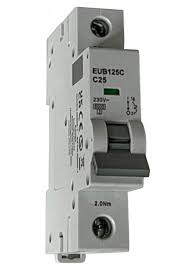
A single-pole breaker connects to one hot wire and supplies about 120 volts. It’s the most common breaker found in residential homes.
Common Uses
Single-pole breakers usually power:
- Bedroom outlets
- Lighting circuits
- TVs
- Kitchen counter outlets
- Small appliances
- Fans
- Garage outlets
Typical Ratings
Most single-pole breakers are:
- 15A
- 20A
- Sometimes 30A
They usually occupy one slot in the electrical panel.
Pros and Cons
| Pros | Cons |
|---|---|
| Lower cost compared to double-pole breakers | Limited to lower-power circuits |
| Simple installation and wiring | Usually only supports 120V circuits |
| Uses only one slot in the electrical panel | Not suitable for large appliances |
| Common and easy to replace | Less total power capacity |
| Ideal for lights and standard outlets | Cannot safely handle most 240V equipment |
| Easier troubleshooting for small circuits | Only disconnects one hot wire |
| Widely available in 15A and 20A sizes | Less complete isolation during servicing |
| Works well in residential applications | May require multiple breakers for larger systems |
| Compact design saves panel space | Not designed for heavy continuous loads |
| Good for DIY-friendly household repairs | Incorrect use can overload circuits |
What Is a Double-Pole Breaker?
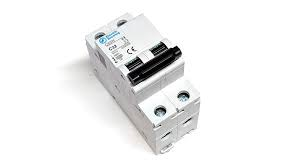
A double-pole breaker is essentially two linked single-pole breakers that trip together. It connects to two hot wires and delivers 240 volts.
Common Uses
Double-pole breakers are used for:
- Electric dryers
- Water heaters
- Air conditioners
- Electric stoves
- Heat pumps
- Welders
- EV chargers
Typical Ratings
Common sizes include:
- 20A
- 30A
- 40A
- 50A
- 60A
They occupy two slots in the breaker panel.
Pros and Cons
| Pros | Cons |
|---|---|
| Supports high-power 240V appliances | More expensive than single-pole breakers |
| Provides higher power capacity | Uses two panel slots |
| Both hot wires trip together for better safety | More complex installation |
| Required for many large appliances by electrical code | Harder for beginners to troubleshoot |
| Ideal for HVAC systems, dryers, ovens, and EV chargers | Larger physical size |
| Reduces risk of partial power remaining during faults | Not necessary for standard 120V outlets |
| Handles heavy continuous electrical loads better | Can increase panel crowding |
| Improves safety during maintenance and repairs | Replacement costs are usually higher |
| Suitable for commercial and workshop equipment | Incorrect installation can be dangerous |
| More stable for large motors and compressors | Requires compatible panel design |
Single Pole vs Double Pole Switches
The same concept applies to switches:
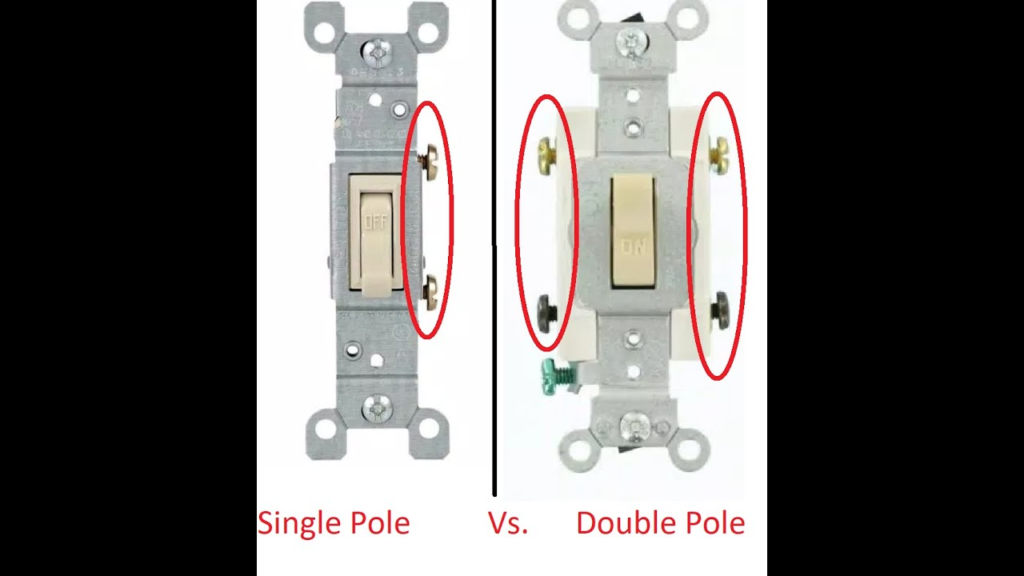
- A single-pole switch controls one circuit
- A double-pole switch controls two circuits at the same time
Double-pole switches are often used for:
- Water heaters
- Workshop equipment
- 240V appliances
- Industrial machinery
Single-pole switches are standard wall light switches.
Wiring Differences
Single Pole
Usually includes:
- 1 hot wire
- 1 neutral
- Ground
Double Pole
Usually includes:
- 2 hot wires
- Optional neutral
- Ground
Double-pole breakers disconnect both hot wires simultaneously during a fault.
Safety Differences
A major advantage of double-pole breakers is synchronized tripping.
If a fault occurs:
- Single-pole → only one circuit disconnects
- Double-pole → both hot wires disconnect together
This reduces the chance of partial power remaining on dangerous equipment.
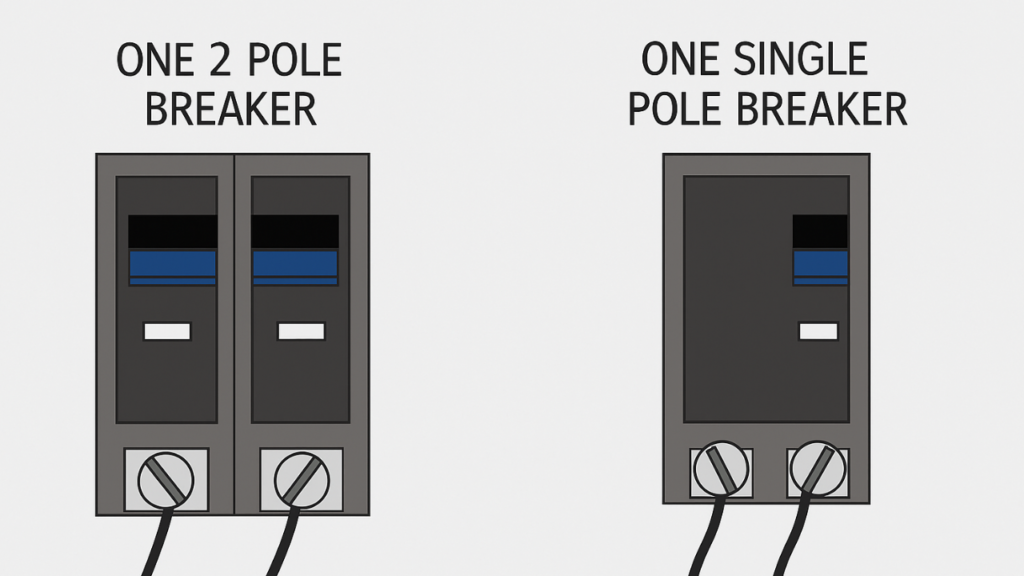
Which One Should You Use?
Use Single Pole If:
- The circuit is 120V
- You’re powering normal outlets or lights
- The load is relatively small
Use Double Pole If:
- The appliance requires 240V
- The equipment draws high current
- Electrical code requires full disconnect
Can You Replace One With the Other?
Sometimes.
- You can often replace a single-pole breaker with a double-pole breaker if the circuit and panel support it
- You should NOT replace a required double-pole breaker with a single-pole breaker
Incorrect breaker selection can create serious fire or shock hazards.
Final Thoughts
The easiest way to remember the difference:
- Single pole = standard household circuits
- Double pole = high-power appliances
Single-pole breakers are ideal for everyday residential loads, while double-pole breakers are designed for equipment that needs more voltage, more current, and safer full-circuit disconnect protection.
READ ALSO: What is ELV dimming?