



How To Dispose Of LED Strip Light?
LED strip lights are inexpensive, energy-efficient, and incredibly versatile. But once a strip stops working, gets damaged, or is replaced during a home renovation, one important question comes up:
How should you dispose of LED strip lights properly?
The short answer is that LED strips are best treated as electronic waste rather than ordinary household trash whenever an electronics recycling option is available.
LED strips contain electronic components, copper conductors, circuit boards, plastics, adhesives, and sometimes separate controllers, power supplies, or batteries. Many of these materials can be recovered and recycled.
Can You Throw LED Strip Lights in the Trash?
Technically, the answer depends on local waste regulations.
However, putting LED strip lights directly into your household garbage is generally not the best option.
LED strips contain electrical components and small quantities of materials that are much better handled through an electronics recycling system. The U.S. Environmental Protection Agency recommends checking local electronics recycling programs rather than automatically placing unwanted electronics in curbside recycling or household waste.
In Europe and other regions that follow electronic-waste regulations, many lighting products and electrical accessories fall under WEEE — Waste Electrical and Electronic Equipment rules. The European Commission notes that electronic waste contains both valuable recyclable materials and substances that can cause environmental problems when improperly discarded.
So, whenever possible:
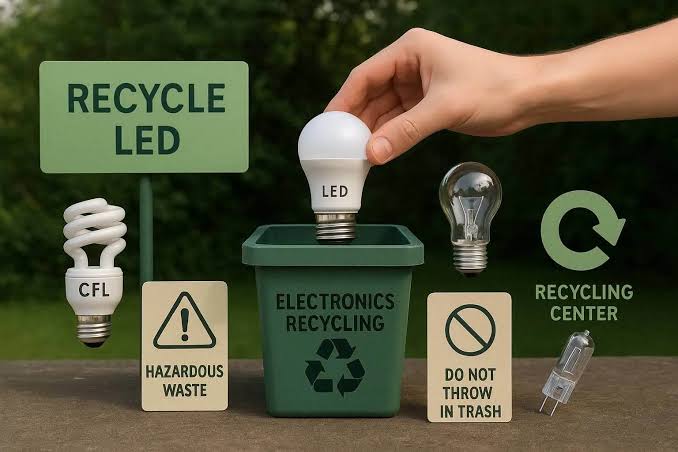
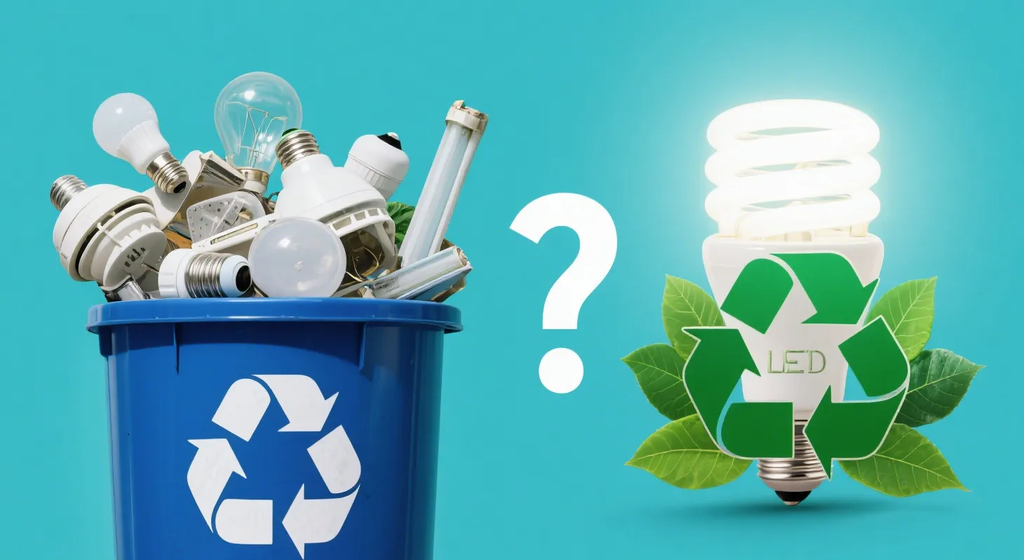
Recycle LED strip lights as electronic waste.
What Are LED Strip Lights Made Of?
Understanding what’s inside an LED strip helps explain why recycling is preferable.
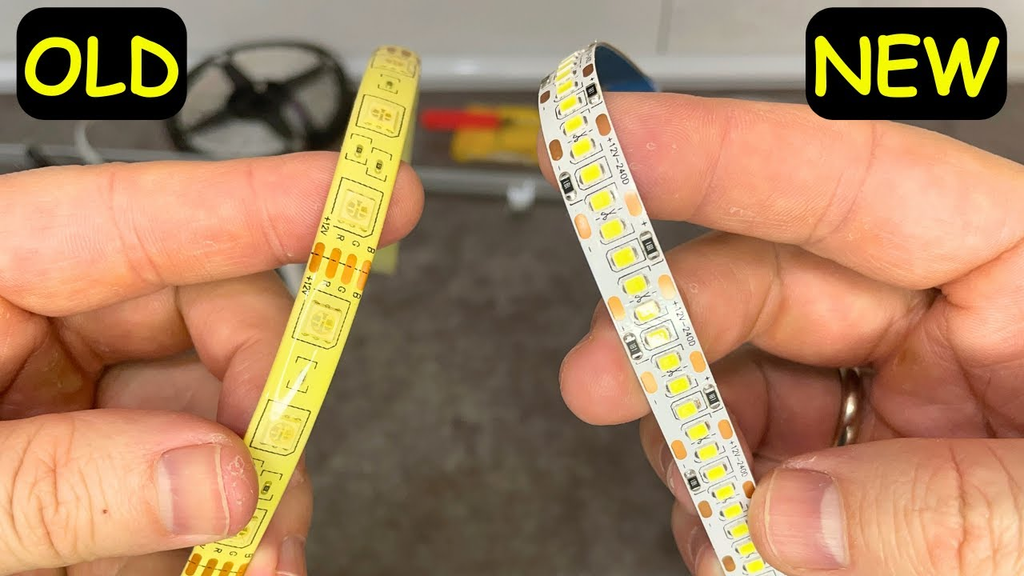
A typical LED strip contains:
- LED semiconductor chips
- Copper conductive tracks
- Flexible printed circuit board material
- Resistors
- Small electronic components
- Silicone or plastic protective coatings
- Adhesive backing
- Electrical connectors
- Solder
Waterproof LED strips may also contain thick silicone or polymer coatings.
Smart LED systems may additionally include:
- Wi-Fi or Bluetooth controllers
- Infrared receivers
- Remote controls
- Power adapters
- Rechargeable batteries
Because several materials are combined into one product, LED strips usually cannot simply go into your normal plastic or metal recycling bin.
The Best Way to Dispose of LED Strip Lights
The preferred method is taking them to an electronics or e-waste recycling facility.
Step 1: Disconnect the LED Strip
Unplug the strip from the electrical outlet before removing it.
If it uses a removable power adapter, controller, transformer, or battery pack, disconnect those components as well.
Never cut or dismantle an LED strip while it is connected to electricity.
Step 2: Remove the Strip Carefully
LED strips usually have adhesive backing.
Slowly peel the strip away from the wall, cabinet, desk, television, or other surface.
If the adhesive is extremely strong, gently warming it can sometimes make removal easier.
Avoid aggressively pulling the strip because the flexible circuit board may tear into many small pieces.
Step 3: Separate the Components
If possible, separate the lighting system into different components.
You might have:
- LED strip
- Power supply
- Controller
- Remote control
- Electrical connectors
- Battery
- Plastic mounting channels
You don’t necessarily need to dismantle the LED strip itself.
In fact, electronic recyclers usually prefer receiving electronic devices intact rather than having consumers attempt to extract metals or circuit components themselves.
Step 4: Find an Electronics Recycling Location
Search for a facility that accepts:
small electronics, electrical equipment, lighting products, or e-waste.
Depending on your location, options may include:
- Municipal recycling centers
- Electronics recycling facilities
- Household hazardous-waste collection centers
- Electronics retailers
- Manufacturer take-back programs
- Community e-waste collection events
The EPA recommends checking local recycling authorities because electronics recycling rules and programs differ by location.
In some countries, retailers that sell electrical equipment also provide take-back programs.
Can LED Strips Go in Curbside Recycling?
Usually no.
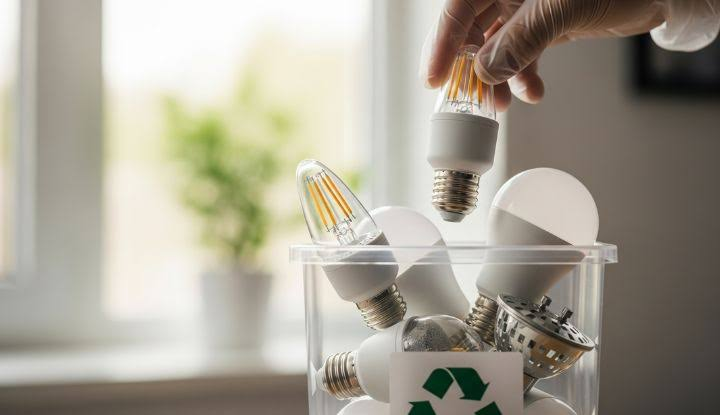
Even though LED strips contain copper, plastic, and electronic components, they should generally not be placed loose inside your standard household recycling bin.
Curbside recycling facilities are typically designed for materials such as:
- Cardboard
- Paper
- Glass containers
- Metal cans
- Approved plastic packaging
Flexible LED circuit boards can contaminate recycling streams or become tangled in sorting machinery.
The EPA specifically notes that electronics generally require designated collection sites rather than normal curbside recycling.
What About the Power Adapter?
Do not forget about the power supply.
LED strip kits commonly use AC-to-DC adapters that convert household electricity to 5V, 12V, or 24V DC.
These adapters contain:
- Circuit boards
- Copper
- Transformers
- Plastic
- Wiring
- Electronic components
They should therefore also be treated as electronic waste.
If the adapter still works, consider keeping it as a spare provided its voltage, polarity, and current rating match another compatible device.
Otherwise, recycle it with your other electronics.
What About the LED Controller?
RGB, RGBW, and smart LED strips frequently include controllers.
These may contain:
- Wi-Fi modules
- Bluetooth chips
- Infrared receivers
- Microcontrollers
- Printed circuit boards
These components should also go to an electronics recycling facility.
Smart controllers are particularly suitable for e-waste recycling because they contain considerably more electronic circuitry than the LED strip itself.
How to Dispose of LED Strip Remotes
A simple infrared remote can generally be recycled with small electronic devices.
However, remove the battery first whenever practical.
The battery should be recycled separately according to local battery-disposal rules.
Never assume batteries belong in ordinary household recycling.
How to Dispose of Battery-Powered LED Strips
Some portable LED strips use:
- AA batteries
- AAA batteries
- Button cells
- Rechargeable lithium batteries
If your LED lights contain removable batteries, take them out before recycling the lighting system.
Battery recycling rules are different from electronics recycling rules in many areas.
Lithium-ion batteries require particular care because damaged batteries can create a fire risk.
Do not intentionally crush, puncture, bend, or dismantle a lithium battery.
Can You Reuse LED Strip Lights Instead?
Absolutely.
In fact, reuse is often better than recycling when the strip still works.
Before throwing away an LED strip, consider whether it can be:
- Installed under shelves
- Used behind a television
- Added to a workshop
- Used inside a closet
- Installed underneath a desk
- Used for holiday decorations
- Given to a friend
- Donated
- Sold second-hand
The EPA encourages reuse and donation of working electronics because keeping functional products in use reduces unnecessary waste.
What If Only Part of the LED Strip Is Broken?
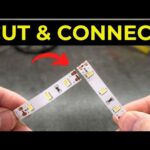
You may not need to throw the entire strip away.
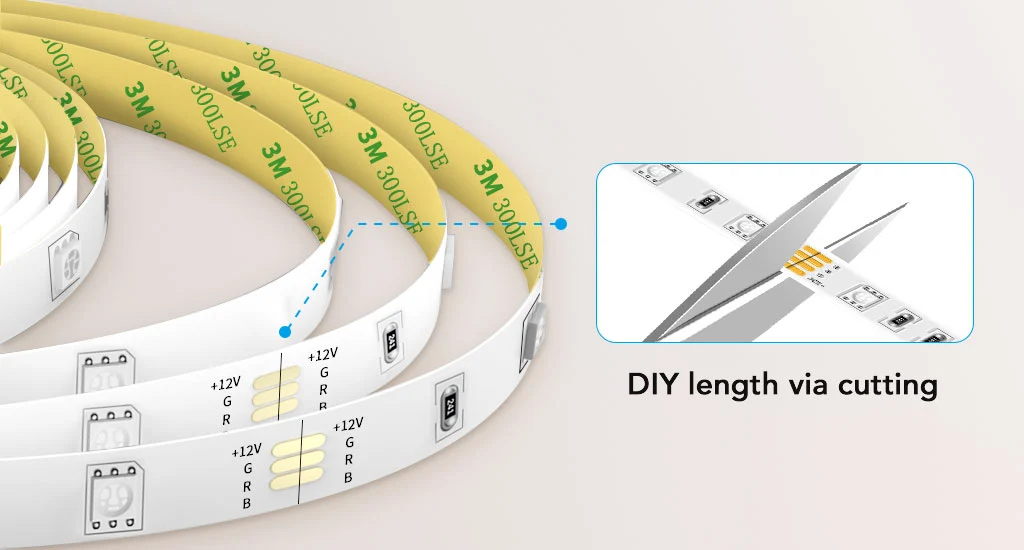
Many LED strips have designated cutting points printed along the strip.
If only one section is damaged, you may be able to remove it and reconnect the remaining sections using:
- LED strip connectors
- Soldered connections
- Extension wires
However, the voltage and LED type must remain compatible.
For example, a 12V RGB strip should not simply be connected to a 24V system.
Repairing the strip can extend its usable life and reduce electronic waste.
Can You Burn LED Strip Lights?
No.
Never burn LED strip lights.
Burning plastics, circuit boards, adhesives, coatings, and electronic components can release harmful fumes.
Electronic devices should instead be processed through appropriate recycling or waste-management systems.
Should You Cut LED Strips Into Pieces Before Recycling?
Usually, there is no reason to.
Leave the strip intact unless cutting it is necessary for safe transportation.
Electronic recycling facilities have equipment designed to process and separate electronic materials.
Attempting to manually recover copper or other materials from LED strips is generally not worthwhile for household users.
Are LED Strip Lights Hazardous Waste?
LED strip lights are generally safer than older lighting technologies such as fluorescent lamps because they do not rely on mercury-containing fluorescent tubes.
However, that doesn’t mean they should automatically go into household trash.
Electronic products contain mixtures of metals, plastics, circuit boards, and other materials. The EPA notes that electronic waste can contain substances such as lead, cadmium, chromium, nickel, and other materials that require responsible handling.
The safest approach is therefore to treat unwanted LED strips as small electronic waste.
Waterproof LED Strips
Waterproof strips require the same basic disposal method.
The main difference is their construction.
They may be covered with:
- Silicone
- Epoxy
- Polyurethane
- Plastic tubing
These protective coatings make conventional material separation difficult.
Do not try to peel, burn, or chemically remove waterproof coatings.
Simply bring the complete strip to an electronics recycling facility.
What About Aluminum LED Channels?
Many LED installations use aluminum mounting profiles.
These are much easier to recycle.
If possible, remove:
- The LED strip
- Plastic diffuser
- End caps
The clean aluminum channel may then be accepted as scrap metal or household metal recycling, depending on your local recycling rules.
Check with your local facility first.
What About Plastic Diffusers?
Clear or frosted LED-channel covers are usually made from polycarbonate or another plastic.
Unfortunately, they are not always accepted through household plastic recycling.
Plastic recycling programs vary considerably by municipality.
Check the recycling symbol or contact your local recycling provider before placing the diffuser in your recycling bin.
Commercial LED Strip Disposal
Businesses replacing large quantities of LED strips should use a professional electronics recycling service.
This applies particularly to:
- Hotels
- Restaurants
- Retail stores
- Offices
- Warehouses
- Event venues
- Commercial signage companies
Large quantities may contain meaningful amounts of copper and recyclable electronic materials.
For businesses in the United States, the EPA recommends using responsible electronics recyclers and recognizes R2 and e-Stewards as accredited electronics-recycling certification standards.
Environmental Benefits of Recycling LED Strips
Recycling electronics helps recover valuable materials rather than extracting entirely new raw materials.
Electronic equipment may contain recyclable:
- Copper
- Aluminum
- Plastics
- Precious metals
- Electronic components
Recycling also keeps electronic material out of landfills.
The European Commission highlights resource recovery as one of the major reasons for improving WEEE collection and recycling.
Common Mistakes to Avoid
The most common disposal mistakes include:
- Putting LED strips into ordinary curbside recycling.Most curbside systems are not designed for electronic circuit boards.
- Leaving batteries attached.Remove batteries whenever possible and recycle them separately.
- Burning LED strips.Burning plastics and electronic materials can produce harmful emissions.
- Throwing away working LED lights.Reuse, donation, or resale is usually environmentally preferable.
- Trying to extract copper manually.The amount of recoverable copper in household LED strips usually isn’t worth the time or potential exposure to damaged electronics.
- Forgetting the adapter and controller.These are electronic components too and should be recycled appropriately.
Best Disposal Methods Ranked
1. Reuse — Best Overall
If the strip still works, reuse it somewhere else or give it to someone who can.
Rating: 10/10
2. Professional Electronics Recycling
The best choice for damaged or non-working strips.
Materials can be recovered through specialized recycling processes.
Rating: 9/10
3. Retailer Take-Back Program
Convenient when available, particularly if you’re purchasing replacement lighting at the same time.
Rating: 9/10
4. Municipal E-Waste Collection
Another excellent option, although collection schedules or drop-off locations may be limited.
Rating: 8.5/10
5. Household Trash
This should generally be the last option and should only be considered if local regulations allow it and no electronics recycling program is available.
Rating: 3/10
6. Burning or Improper Dumping
Never recommended.
Rating: 0/10
Quick Disposal Checklist
Before getting rid of your LED strip lights:
- Unplug the lighting system.
- Remove batteries if present.
- Separate the power adapter.
- Separate the controller and remote.
- Check whether the strip still works.
- Reuse or donate functional lighting.
- Search for a local electronics recycling center.
- Check retailer take-back programs.
- Avoid placing electronics in curbside recycling unless specifically permitted locally.
READ ALSO: Can LED lights be left on 24/7 safely?