




Ceiling with Cost-Effective Cove Lighting
Cove lighting is one of the most effective ways to make a room look modern, elegant, and more expensive than it actually is. The good news is that achieving this effect does not require a luxury budget. With affordable LED strips, simple drywall details, or lightweight molding, homeowners can create stunning indirect lighting at a reasonable cost.
What Is Cove Lighting?
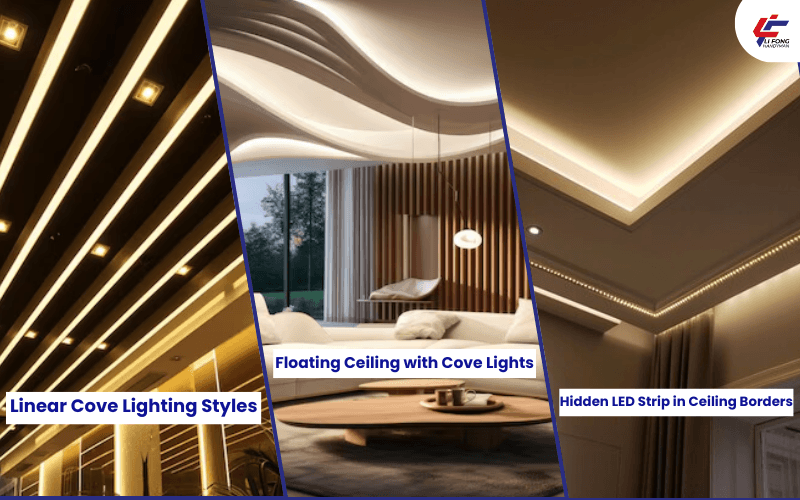
Cove lighting is a form of indirect lighting where fixtures are hidden behind ledges, recesses, moldings, or ceiling features. Instead of seeing the light source directly, you see the light reflected off the ceiling and walls.


The result is a soft, diffused glow that creates a comfortable and sophisticated atmosphere.
Common locations include:
- Living rooms
- Bedrooms
- Dining rooms
- Hallways
- Home theaters
- Hotels
- Restaurants
- Offices
Why Cove Lighting Is So Popular
Modern interior designers frequently use cove lighting because it offers several benefits:
Creates a Luxury Appearance
Indirect lighting instantly makes a space feel more upscale.
Reduces Harsh Shadows
Unlike exposed ceiling fixtures, cove lighting distributes light evenly.
Improves Room Ambiance
Warm LEDs can create a cozy atmosphere while cool LEDs provide a contemporary look.
Enhances Ceiling Design
Even a simple ceiling becomes visually interesting with hidden lighting.
Energy Efficient
LED strips consume very little electricity while producing significant illumination.
Cost-Effective Cove Lighting Options
Not all cove lighting systems require expensive custom construction.
1. LED Strip Lighting
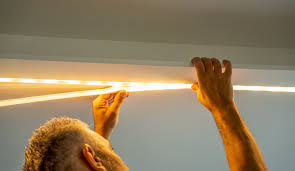
The most affordable solution.
Features:
- Low purchase cost
- Easy installation
- Wide color temperature selection
- Long lifespan

Pros
- Energy efficient
- DIY-friendly
- Budget friendly

Cons
- Cheap strips may fail early
- Quality varies
Best for:
- Apartments
- Bedrooms
- Small living rooms
2. Foam Crown Molding with LED Channels
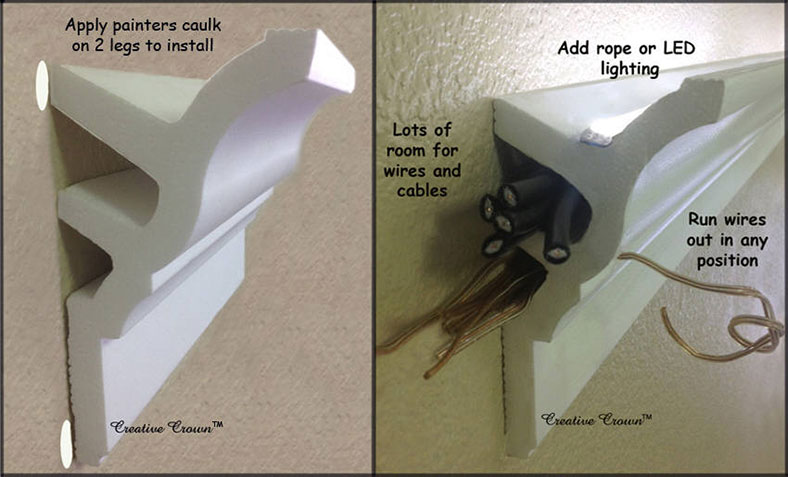
Lightweight foam moldings can hide LED strips without major remodeling.
Pros
- Minimal ceiling work
- Easy to install
- Very affordable
Cons
- Less premium than custom drywall
Best for:
- Existing homes
- Renovation projects
3. Drywall Cove Ceiling
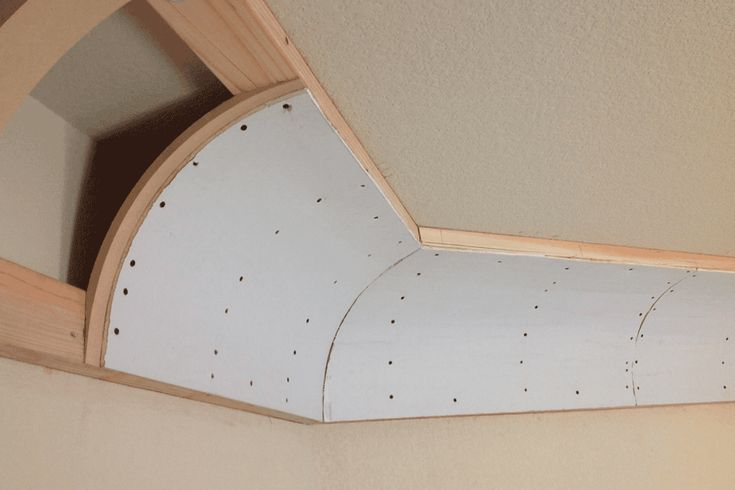
A drywall soffit or recessed edge conceals LED strips completely.
Pros
- Durable
- Highly customizable
- Professional appearance
Cons
- Higher labor cost
Best for:
- New construction
- Major remodels
4. Aluminum LED Profiles
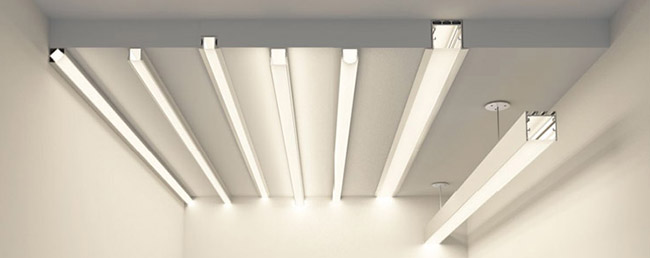
These channels hold LED strips and improve heat dissipation.
Pros
- Better light diffusion
- Longer LED life
- Cleaner appearance
Cons
- Slightly higher material cost
Best for:
- Modern interiors
- Long-term installations
Typical Cost Breakdown
| Component | Budget Range |
|---|---|
| LED strip lights | $15–$100 |
| Power supply | $20–$80 |
| Aluminum profiles | $20–$150 |
| Foam molding | $50–$300 |
| Drywall construction | $300–$2,000+ |
| Professional installation | $200–$1,500+ |
A basic DIY cove lighting project can often be completed for under $200.
A professionally built recessed ceiling system may cost several thousand dollars.
Best LED Color Temperatures
2700K–3000K (Warm White)
Best for:
- Bedrooms
- Living rooms
- Relaxation spaces
Creates a cozy and inviting atmosphere.
3500K–4000K (Neutral White)
Best for:
- Kitchens
- Home offices
Provides balanced lighting.
5000K–6500K (Cool White)
Best for:
- Modern interiors
- Work areas
Produces a brighter, cleaner look.
RGB vs White Cove Lighting
White LED Lighting
Advantages:
- Lowest cost
- Timeless appearance
- Better efficiency
Recommended for most homes.
RGB Lighting
Advantages:
- Color-changing effects
- Smart-home integration
- Entertainment settings
Disadvantages:
- Higher cost
- Can appear less sophisticated if overused
Installation Tips
- Choose High-Density LED Strips
More LEDs per meter provide smoother illumination.
- Use Dimmable Drivers
Allows brightness adjustment for different moods.
- Hide the Light Source
The LED strip should never be directly visible.
- Ensure Ventilation
Excess heat shortens LED lifespan.
- Use Quality Power Supplies
Cheap drivers are the most common point of failure.
Pros and Cons
| Pros | Cons |
|---|---|
| Elegant appearance | Initial installation cost |
| Energy efficient | May require ceiling modifications |
| Improves ambiance | Poor-quality LEDs can fail |
| Long LED lifespan | Some designs need professional installation |
| Increases perceived home value | Repairs can be difficult if concealed |
Best Rooms for Cost-Effective Cove Lighting
Living Room
Provides comfortable ambient lighting while enhancing architectural features.
Bedroom
Creates a relaxing hotel-style atmosphere.
Dining Room
Adds warmth and sophistication during meals.
Hallway
Improves visual appeal without overwhelming brightness.
Home Theater
Reduces eye strain and enhances movie viewing.
Maintenance Requirements
Cove lighting generally requires very little maintenance.
Recommended tasks:
- Dust exposed surfaces occasionally
- Check power supplies every few years
- Replace failed LED strips as needed
- Inspect wiring connections periodically
Most quality LED systems last:
- 30,000–50,000 hours
- 10–15 years under normal use
Is Cost-Effective Cove Lighting Worth It?
For most homeowners, the answer is yes.
Cove lighting offers one of the best visual upgrades for the money. Even a simple LED strip hidden behind molding can dramatically improve the appearance of a room while consuming very little electricity.
If you’re working with a tight budget, LED strips combined with foam crown molding provide the best value. For a premium finish, a drywall cove ceiling with high-quality LED strips delivers a luxury look that rivals high-end custom homes.
Final Verdict
Rating: 4.7/5
Best for: Homeowners seeking a modern, elegant ceiling design without excessive renovation costs.
Top recommendation: Warm white (3000K) high-density LED strips hidden behind simple cove molding offer the ideal balance of affordability, appearance, and efficiency.
READ ALSO: What is small edison screw?